
Hey Trina here — Mavens, let’s talk about something a little personal but oh so important: thinning hair — especially for us fabulous African-American women over 50. I’m here as your trusted style and wellness confidante, so grab your favorite beverage, kick back, and let’s dive into a gentle, encouraging guide on why hair thins, what we can do about it (yes — we can do something!), hairstyle options that lift our confidence, diet tweaks that nourish from the inside out, and product recs you’ll love.
First, it’s totally normal to notice hair getting a little less dense, or that ponytail feeling thinner than it used to. But there are reasons behind it — and being aware helps us respond with care rather than frustration.
-
As we age (hello, menopause and beyond), our hormones shift. Hair follicles may shrink, growth slows, and scalp oil production may decrease. Uptown New York Style+2AARP+2
-
Among Black women, this can be more acute. Research says about two-thirds of Black women notice hair thinning by around age 50. MDhair+1
-
Other contributors: tight hairstyles (braids, heavy extensions, pulling at the roots) → a condition known as traction alopecia. Hopkins Medicine. Also, poor nutrition, low vitamins/minerals, and underlying health/hormone issues affect the scalp and hair cycle. AARP+2Healthline+2
-
The good news? While we may not totally reverse every bit of thinning (genetics does play a role), we absolutely can improve the appearance of fuller, healthier hair — and protect what we have.
Hairstyle options that flatter and support thinning strands
Let’s talk looks + real-life practicality. These styles help give the visual impression of fuller hair and reduce damage (a big plus).
Style Ideas

Here are my favourites:
-
Short tapered cut — A stylish cropped top with slightly longer front, close-cut sides. It gives the appearance of volume because the hair isn’t weighed down at the sides. Experts say it’s great for lower-density hair. InStyle
-
Layered bob (medium length) — Layers offer movement, making the hair appear fuller. A side-part or deep-part can help camouflage thinning at the crown or top.
-
Protective loose styles — Think loose twists, soft braids, maybe a wig or headwrap for days when you just need a break. The key: avoid tight styles that pull at the hairline. Wimpole Clinic+1
-
Embrace natural texture — Let those curls/coil patterns show. Straightening frequently can stress hair, especially fragile aging strands. Gentle styling = kinder to your roots.
-
Avoid harsh pulling or too much heat — Yes, simple but so many of us still do it. Baths of hot styling tools + high maintenance = more stress on thinning hair. Hopkins Medicine+1
Styling Tips
-
Ask your stylist for volume-friendly cuts or styles that maintain length at the top/top-front while reducing bulk elsewhere.
-
Use root-lifter or volumizing mousse just at the crown to give lift.
-
Consider colored highlights around the face (if you’re coloring) to distract the eye from thin patches and brighten your face. InStyle
-
Sleep on a satin pillowcase and wrap/moderate your hair at night — less friction = less breakage.
-
Gentle, moisturizing care is your new best friend.
Diet + nutrition to support fuller, healthier hair
What you eat absolutely MAKES a difference. Hair growth depends on nutrients reaching your follicles and a healthy scalp. If things like thyroid issues, anemia, and vitamin D deficiency are lurking, they show up in the hair. Hopkins Medicine
Here are some power foods + diet practices I recommend for us:
-
Protein-rich foods: hair is mostly protein, so good quality sources like eggs, lean meats, beans, and fish.
-
Omega-3 fatty acids from fatty fish (like salmon, trout) help maintain scalp health. Good Housekeeping+1
-
Leafy greens, berries, nuts & seeds: great for vitamins like A, C, E, plus minerals like zinc and selenium, which play roles in hair growth. Healthline+1
-
Whole grains, legumes: B-vitamins, iron, folate support hair follicle health. Good Housekeeping
-
Stay hydrated and make sure you’re getting enough healthy fats (avocados, olive oil) to feed scalp skin.
-
Gentle tip: since we’re over 50, and if you’re managing blood pressure, BP meds, sugar issues, etc, always check with your doctor for labs (iron, vitamin D, thyroid) because hair thinning could be a sign of something deeper. Hopkins Medicine+1
-
Aim for a balanced diet rather than relying solely on supplements (unless a doctor prescribes). Food is foundational. Good Housekeeping
Product recommendations (that feel like self-care, not just “fixing”)
Alright, now for the fun part (well, one of the fun parts): products you can use that help us target thinning, especially our hair texture and needs. As a note: I always say “patch test + consistency = key.”




-
Nutrafol Women's Balance 45+ Hair Growth Supplement: If you’re dealing with age-related thinning and want an internal support supplement targeted for women 45+, this is one to discuss with your physician.
-
Blueberry Fields Thicker Hair Bundle: Clean product bundle (shampoo + treatment) that’s formulated with natural ingredients and targeted toward thinning.
-
Allurium Hair Growth Serum for Black Women: Serum oriented toward our hair types — good for topical care, focusing on breakage + regrowth.
-
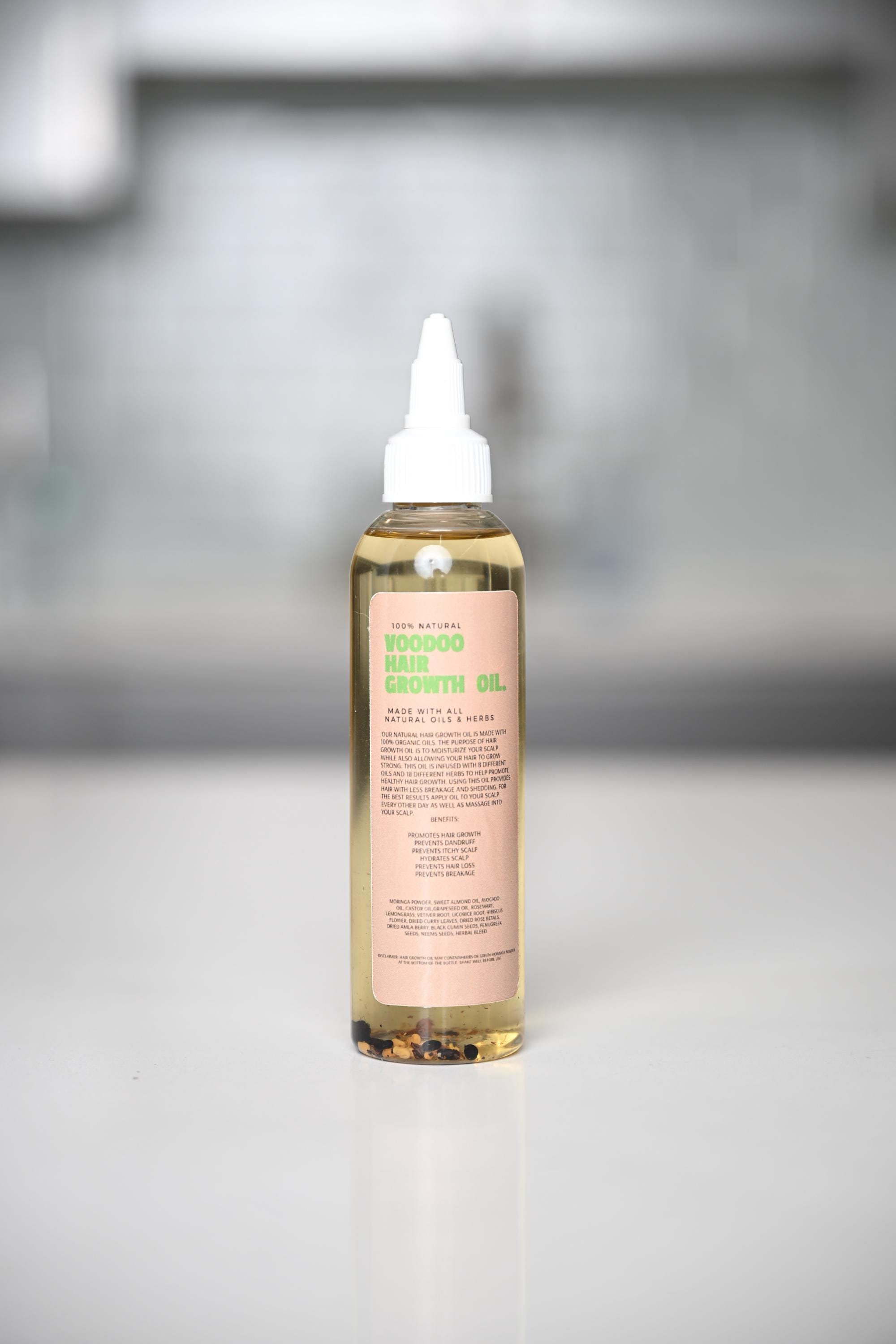
Hair Growth Oil for Edges & Bald Spots: I love this one because in our textural world, edges + crown thinning are common. A targeted oil helps.
-
Nioxin Scalp Treatment System 1: A more “professional” system for scalp health + thinning hair.
-
Organic Pumpkin Seed Oil for Thinning & Aging Black Hair: Natural oil, anti-aging focus — great for moisture + fullness for aging hair.
-
Equate Women's Hair Regrowth Treatment (Minoxidil 2%): Budget minoxidil option (topical) — for general thinning (not heavy patchy loss), but always check with your doc.
-
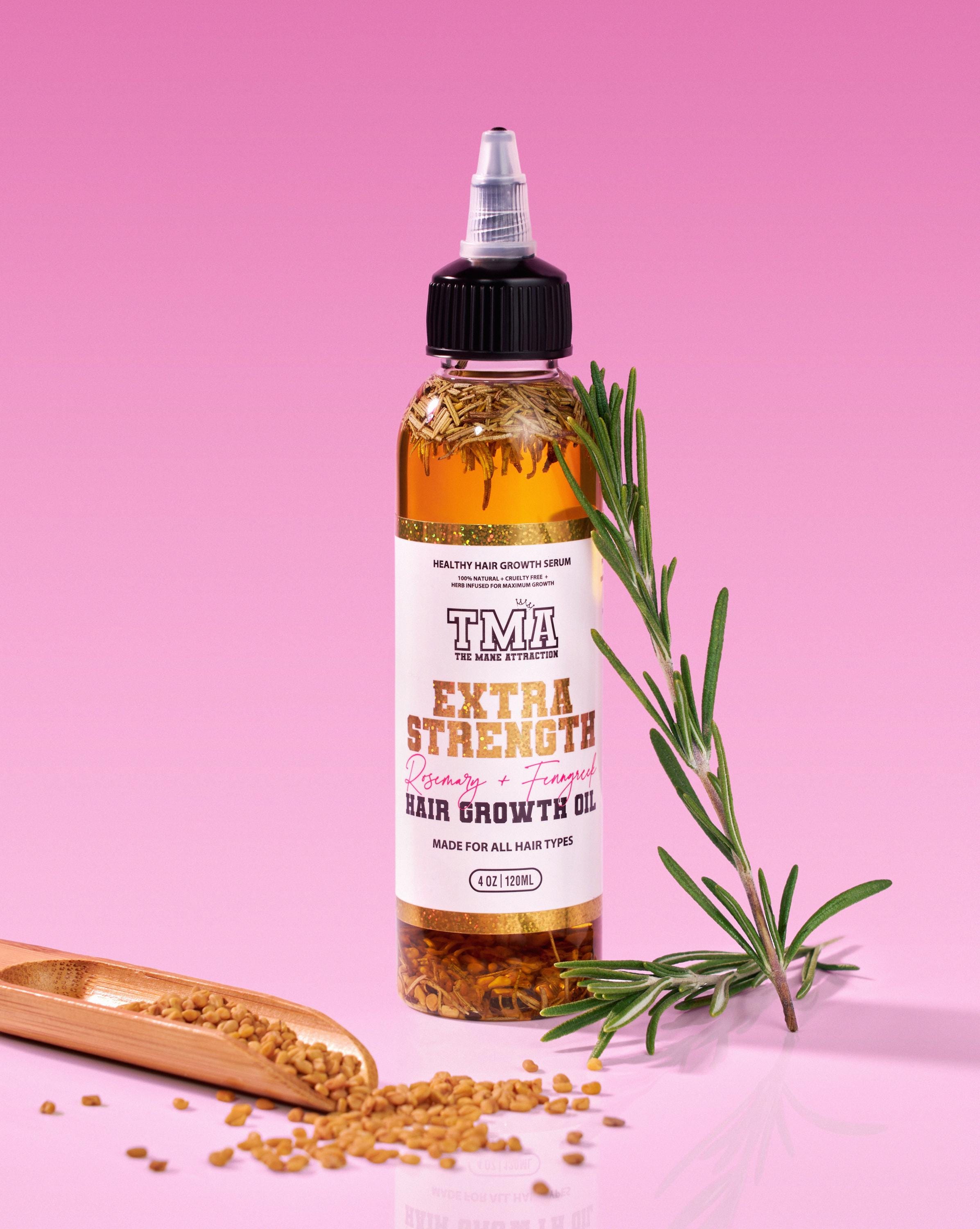
Herbal Hair Growth Oil Rosemary & Fenugreek: A supplemental herbal oil — great for spa-style self-care nights: massage scalp, relax, nourish.
Important: Since we’re over 50, and many of us may have health conditions or take meds, I always recommend: chat with your doctor or dermatologist before adding internal supplements or treating thinning in a medical sense. But topical styling + smart haircare? Absolutely safe self-care we can do.
My personal practical “what I’d do” routine for a week (you can adapt)
This is just a friendly blueprint so you can pick and choose.
-
Day 1: Wash with gentle shampoo (maybe the Blueberry Fields bundle), apply a lightweight serum (Allurium) + scalp massage for 2-3 minutes.
-
Day 2-3: Protective style (loose twists or a tapered cut styling), avoid tight braids/edges, sleep on satin.
-
Day 4: Oil treatment (Hair Growth Oil for edges and bald spots), apply and leave overnight if possible.
-
Day 5: Style refresh + light root lift, catch up on any neglected areas.
-
Day 6: Mindful grooming: avoid heat, use a cooler setting if blow-dry, or air dry.
-
Day 7: Reflection: check your diet this week — did you hit your green veggies, fatty fish, and whole grains? Plan for next week.
Final words of encouragement
Sweetheart — thinning hair doesn’t mean we lose our beauty or confidence. It’s simply a phase that lots of us walk into in this season of life, and we get to decide how we meet it: with care, style, nourishment, and intentional love for ourselves.
You deserve hair that makes you feel proud, head held high, and vibrant. Choose constructions (hairstyles) that support your scalp and texture. Choose nourishment inside and out. And treat your hair like you treat other aspects of your wellness journey — with patience, respect, and a gentle routine.
No comments:
Post a Comment